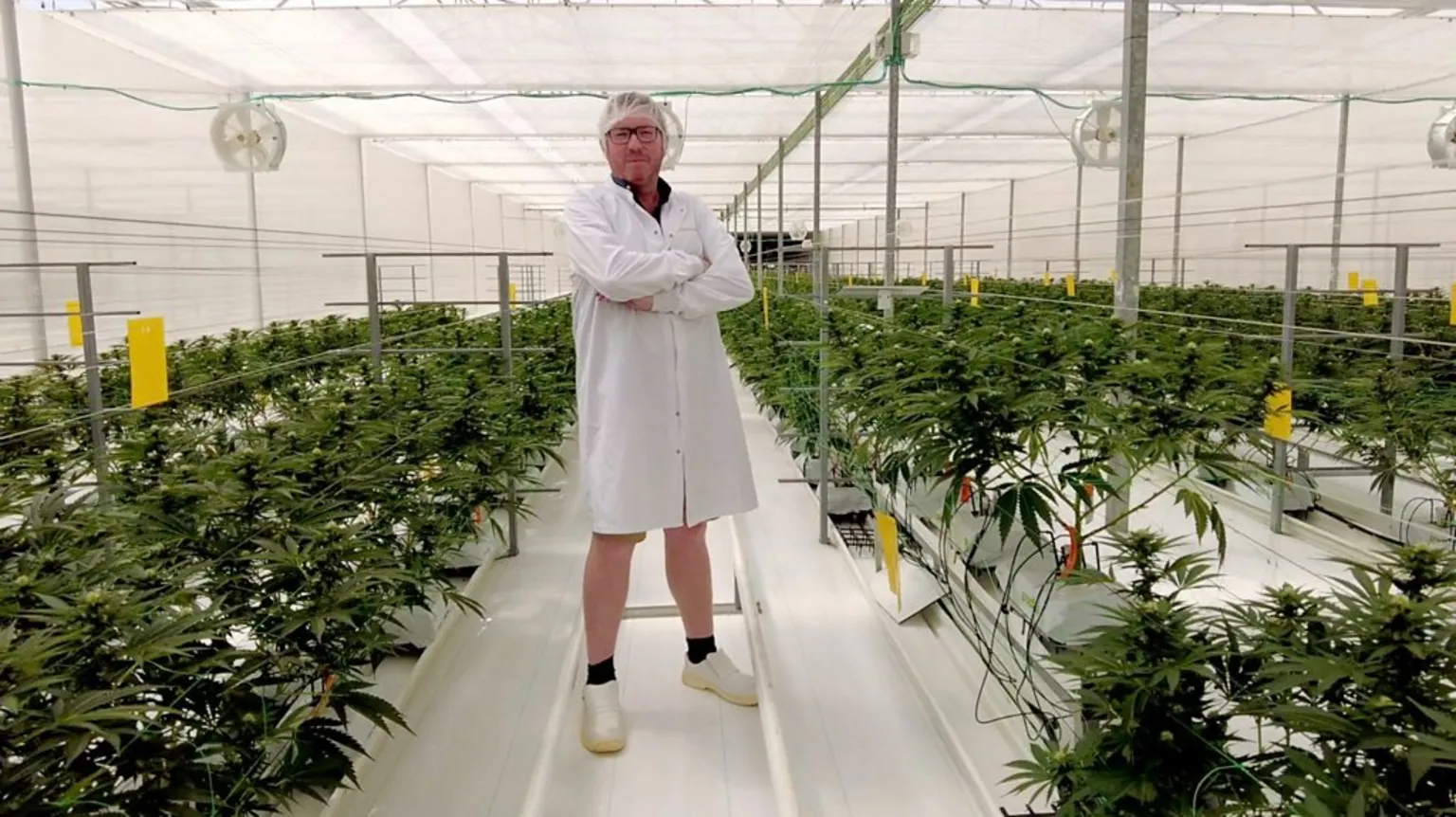
Precision Targeting in a Heavily Regulated Market
Programmatic advertising is becoming a game-changer for the cannabis industry because it allows brands to reach highly specific audiences in an environment where traditional advertising is heavily restricted. Since cannabis remains regulated differently across regions, advertisers cannot rely on broad mass-media campaigns. Instead, programmatic systems use real-time bidding, audience segmentation, and behavioral data to place ads in front of consumers who are more likely to be interested in wellness products, CBD items, or legalized recreational cannabis where permitted. This precision reduces wasted ad spend and ensures compliance by avoiding restricted demographics and locations. As data collection tools become more advanced, cannabis brands are increasingly able to refine their targeting strategies, improving both efficiency and return on investment.
AI-Driven Personalization and Consumer Insights
The future of programmatic advertising in the cannabis sector dispensary near me is closely tied to artificial intelligence and machine learning. These technologies analyze vast amounts of user data, including browsing habits, purchase history, and content engagement, to deliver highly personalized ad experiences. For cannabis brands, this means being able to tailor messaging for different consumer needs, such as relaxation, pain relief, or lifestyle enhancement. AI also helps marketers predict trends, identify high-value customer segments, and optimize campaigns in real time. As competition in the cannabis market grows, personalization will become essential for standing out, especially in digital spaces where consumer attention is limited and fragmented.
Navigating Compliance and Privacy Challenges
One of the biggest challenges shaping the future of programmatic advertising in the cannabis industry is regulatory compliance. Cannabis advertising laws vary widely across countries and even between states or provinces, making it difficult for brands to run consistent campaigns. Programmatic platforms must integrate advanced compliance filters to ensure ads are not shown to underage users or in restricted regions. At the same time, increasing global concern around data privacy means advertisers must adapt to stricter rules on tracking and user consent. The future will likely see more privacy-first advertising models, where anonymized data and contextual targeting replace traditional third-party cookies.
Expansion of Connected Digital Ecosystems
As digital ecosystems expand, programmatic advertising in cannabis will move beyond websites and social media into connected TV, streaming platforms, mobile apps, and even in-store digital displays. This omnichannel approach allows brands to maintain consistent messaging across multiple touchpoints in the consumer journey. For example, a user might first see a CBD wellness ad on a streaming service, later encounter educational content on a mobile app, and finally receive a personalized offer online. This interconnected strategy strengthens brand recognition and helps guide consumers through increasingly complex purchasing decisions in a competitive marketplace.
Future Growth Through Data Collaboration and Innovation
Looking ahead, the cannabis industry’s advertising success will depend heavily on collaboration between data providers, technology platforms, and regulators. As more regions legalize cannabis products, the demand for transparent and scalable advertising solutions will grow. Programmatic advertising will evolve to incorporate blockchain-based verification systems, improved attribution models, and more sophisticated audience modeling. These innovations will help brands measure campaign effectiveness more accurately while maintaining trust with consumers. Ultimately, the future of programmatic advertising in cannabis lies in balancing innovation with responsibility, ensuring growth while maintaining ethical and legal standards.