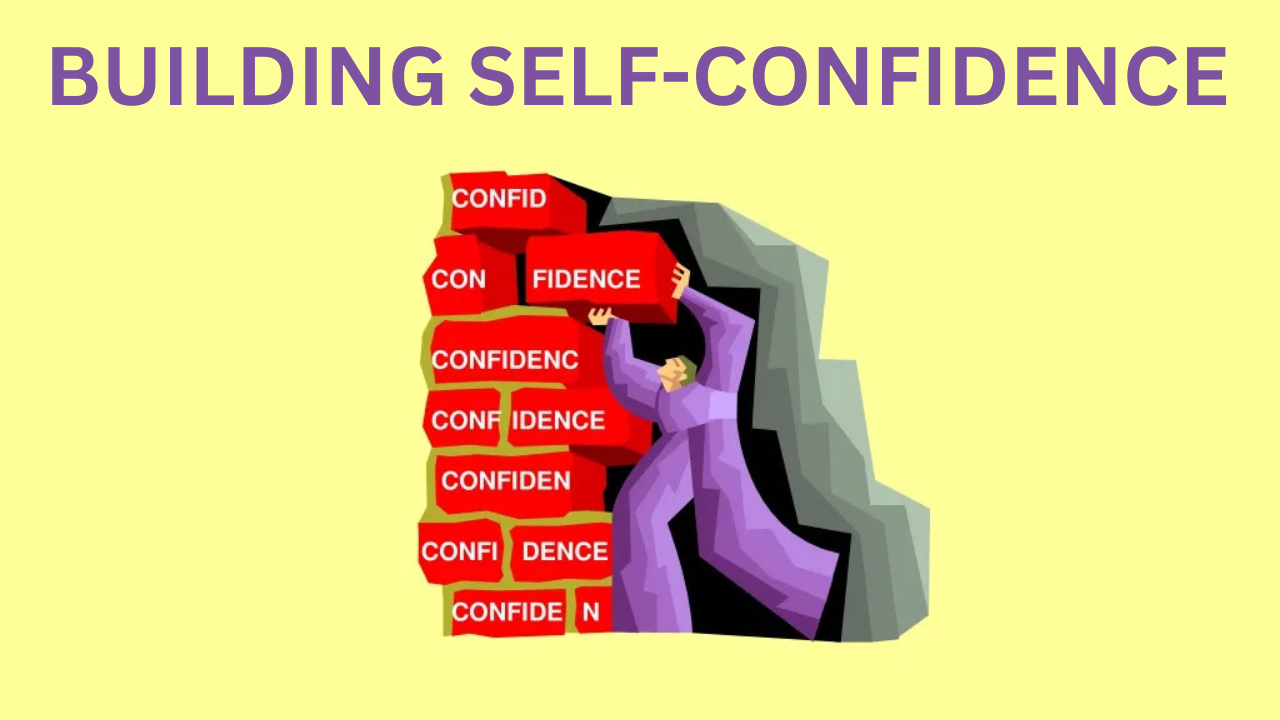
Have you ever felt unsure about yourself or doubted your abilities? If so, you’re not alone. Many people struggle with self-confidence at some point in their lives. Self-confidence is all about believing in yourself and your abilities. It’s about knowing that you can handle whatever comes your way. In this blog, we’ll explore what self-confidence is, why it’s important, and how you can build it in simple, easy-to-understand words.
Understanding Self-Confidence:
Self-confidence is like having a strong inner voice that tells you, “You can do it!” It’s the belief that you are capable of achieving your goals and overcoming challenges. When you have self-confidence, you feel good about yourself and your abilities. You’re more likely to try new things, take risks, and bounce back from setbacks.
Why Self-Confidence Matters:
Self-confidence is important because it affects every aspect of your life. When you believe in yourself, you’re more likely to succeed in school, work, and relationships. You’re also more likely to be happy and fulfilled. People with high self-confidence are often more resilient and better able to cope with stress and challenges.
Recognizing Your Strengths:
One of the first steps to building self-confidence is recognizing your strengths. Everyone has unique talents and abilities. Take some time to think about what you’re good at. Maybe you’re a great artist, a talented musician, or a skilled athlete. Or perhaps you’re really good at helping others, solving problems, or making people laugh. Whatever your strengths are, acknowledge them and be proud of them.
Setting Achievable Goals:
Setting goals is a great way to build self-confidence. Start by setting small, achievable goals that you can work towards. For example, if you want to improve your grades in school, set a goal to study for 30 minutes each day. When you achieve your goals, you’ll feel a sense of accomplishment and your self-confidence will grow. As you become more confident, you can set bigger and more challenging goals.
Practicing Positive Self-Talk:
The way you talk to yourself can have a big impact on your self-confidence. If you constantly tell yourself, “I can’t do this” or “I’m not good enough,” you’ll start to believe it. Instead, practice positive self-talk. Replace negative thoughts with positive ones. For example, instead of saying, “I’ll never be good at math,” say, “I can improve my math skills with practice.” Positive self-talk can help you build a more confident mindset.
Facing Your Fears:
Everyone has fears, but facing them can help you build self-confidence. When you avoid something because you’re afraid, it can make you feel less confident. Instead, try to confront your fears and take small steps to overcome them. For example, if you’re afraid of speaking in public, start by practicing in front of a mirror or with a small group of friends. As you face your fears and succeed, your self-confidence will grow.
Taking Care of Yourself:
Taking care of your physical and mental well-being is important for building self-confidence. Make sure you get enough sleep, eat healthy foods, and exercise regularly. Taking care of your body can help you feel more energetic and confident. It’s also important to take care of your mental health. Spend time doing activities that make you happy, such as reading, playing a sport, or spending time with friends and family.
Learning from Mistakes:
Nobody is perfect, and everyone makes mistakes. The key is to learn from your mistakes and not let them bring you down. When you make a mistake, don’t be too hard on yourself. Instead, think about what you can learn from the experience. Mistakes are opportunities to grow and improve. By learning from your mistakes, you’ll become more confident in your ability to handle challenges.
Surrounding Yourself with Supportive People:
The people you spend time with can have a big impact on your self-confidence. Surround yourself with supportive and positive people who believe in you and encourage you. Avoid spending time with people who bring you down or make you feel bad about yourself. Positive relationships can boost your self-esteem and help you feel more confident.
Celebrating Your Achievements:
Take time to celebrate your achievements, no matter how small they may be. When you accomplish something, give yourself credit and acknowledge your hard work. Celebrating your achievements can help you feel more confident and motivated to keep going. It’s important to recognize your progress and be proud of what you’ve accomplished.
Conclusion:
Building self-confidence is all about believing in yourself and your abilities. By recognizing your strengths, setting achievable goals, practicing positive self-talk, facing your fears, taking care of yourself, learning from mistakes, surrounding yourself with supportive people, and celebrating your achievements, you can build a strong sense of self-confidence. Remember, self-confidence is not something that happens overnight. It takes time and effort, but with patience and persistence, you can become more confident and achieve your goals. So, believe in yourself, stay positive, and keep working towards becoming the best version of yourself
FAQS:
- What is self-confidence, and why is it important?
Self-confidence is the belief in your own abilities and worth. It is important because it helps you succeed in school, work, and relationships, while also making you more resilient and better at handling challenges. - How can I build my self-confidence?
You can build self-confidence by recognizing your strengths, setting achievable goals, practicing positive self-talk, facing your fears, and surrounding yourself with supportive people. - What should I do if I often doubt myself?
Start by challenging negative thoughts and replacing them with positive affirmations. Focus on your strengths, celebrate small achievements, and take things one step at a time. - How can I stop being afraid of failure?
Understand that mistakes and failures are part of learning and growth. Instead of fearing failure, see it as an opportunity to improve and gain experience. - Can my environment affect my self-confidence?
Yes! Surrounding yourself with positive, supportive people can boost your confidence, while negative or critical influences can bring you down. Choose relationships that uplift and encourage you.